Why won’t my office chair stay up? The most common reason is a failing gas lift cylinder, also known as a pneumatic cylinder or gas spring. This cylinder is the core component responsible for maintaining your chair’s height. However, other issues, such as a faulty chair mechanism or even simple wear and tear, can also contribute to your office chair height keeps sinking. This comprehensive guide will walk you through identifying the culprit and exploring potential solutions, from simple fixes to gas lift cylinder replacement. We’ll address office chair height issues, chair pneumatic cylinder problems, and how to fix a sinking office chair, getting you back to comfortable and productive work.
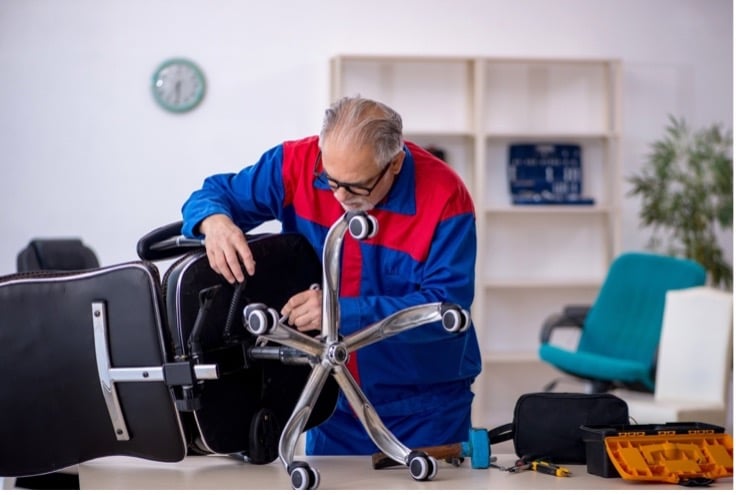
Image Source: www.furniture-work.co.uk
Deciphering the Office Chair Height Issue
When your office chair height keeps sinking, it’s more than just an annoyance. It can lead to poor posture, back pain, and decreased productivity. It’s crucial to diagnose the problem accurately to implement the right solution.
Is it the Gas Lift Cylinder?
The gas lift cylinder is the heart of your chair’s height adjustment system. It’s a sealed unit filled with compressed gas that provides the necessary force to raise and lower the chair. Over time, the seals within the cylinder can degrade, leading to gas leakage. When this happens, the cylinder loses its ability to hold the chair at the desired height, resulting in the frustrating experience of your office chair losing height. The following are indicators your gas lift cylinder might be to blame:
- Gradual Sinking: The chair slowly lowers over a period of minutes or hours.
- Immediate Sinking: The chair drops immediately when you sit on it.
- Hissing Sound: You might hear a faint hissing sound when adjusting the chair height.
Are Other Components Involved?
While the gas lift cylinder is the most frequent offender, other components can also contribute to chair height adjustment not working correctly:
- Chair Mechanism: This is the metal plate under the seat that connects the gas lift cylinder to the chair. If it’s damaged, bent, or has loose screws, it might cause the chair to sink or wobble.
- Actuator Lever: The lever that you use to raise and lower the chair can sometimes become disconnected or damaged, preventing you from engaging the gas lift cylinder correctly.
- Base: Though less common, a cracked or damaged chair base can cause instability that may contribute to a perceived sinking sensation.
Diagnosing the Problem: A Step-by-Step Approach
Before rushing to buy a new chair or replacement parts, take the time to properly diagnose the issue. Here’s a structured approach to gas spring troubleshooting:
- Visual Inspection:
- Carefully inspect the gas lift cylinder for any signs of damage, such as dents, cracks, or oil leaks.
- Examine the chair mechanism for any loose screws, bent metal, or broken parts.
- Check the actuator lever to ensure it’s properly connected and moves smoothly.
- Inspect the chair base for cracks or other damage.
- Functionality Test:
- Try adjusting the chair height to its maximum and minimum positions.
- Observe how quickly the chair sinks when you sit on it. Does it sink immediately, slowly, or not at all?
- Listen for any hissing sounds coming from the gas lift cylinder when you adjust the height.
- Try wiggling the chair to see if there is excessive play or wobbling.
- Isolation Testing (If Possible):
- If you have another office chair, you can try swapping components (e.g., the gas lift cylinder) to see if the problem moves with the part. Note: Exercise caution when disassembling office chairs, as some components may be under pressure.
Solutions: Fixing a Sinking Office Chair
Once you’ve identified the cause of the problem, you can explore the following solutions:
Simple Fixes
Sometimes, the solution is surprisingly simple:
- Tighten Loose Screws: A loose connection anywhere in the chair’s structure can cause instability, giving the impression that the chair is sinking. Carefully tighten all screws in the chair mechanism, base, and backrest.
- Lubricate Moving Parts: Apply a silicone-based lubricant to the actuator lever and any other moving parts in the chair mechanism. This can help improve their movement and prevent sticking.
- Adjust the Actuator Lever: Make sure the actuator lever is properly connected to the gas lift cylinder. Sometimes, it can become dislodged or misaligned.
Gas Lift Cylinder Replacement
If the gas lift cylinder is indeed the culprit, gas lift cylinder replacement is the most common and effective solution. Here’s a step-by-step guide:
-
Gather Your Tools and Supplies:
- New gas lift cylinder (ensure it’s compatible with your chair model)
- Rubber mallet
- Pipe wrench (or adjustable wrench)
- WD-40 or similar penetrating oil
- Gloves
- Safety glasses
-
Removing the Old Cylinder:
- Turn the chair upside down, placing it on a protected surface (e.g., a blanket or towel).
- Spray penetrating oil around the top and bottom of the cylinder where it connects to the chair mechanism and the base. Let it sit for 15-20 minutes to loosen any rust or corrosion.
- Use the rubber mallet to gently tap the bottom of the cylinder. This might dislodge it from the base.
- If the cylinder is stuck, use the pipe wrench to grip the cylinder near the base. Gently twist and pull until it comes loose.
- Repeat the process for the top of the cylinder, where it connects to the chair mechanism.
-
Installing the New Cylinder:
- Clean the sockets in the chair mechanism and base where the cylinder will be inserted.
- Insert the new gas lift cylinder into the base. Apply firm, even pressure until it’s securely seated.
- Insert the top of the cylinder into the chair mechanism. Again, apply firm, even pressure until it’s securely seated.
- Turn the chair upright and test the height adjustment.
Table: Gas Lift Cylinder Replacement – Pros & Cons
| Feature | Pros | Cons |
|---|---|---|
| Cost | Cheaper than buying a new chair. | Still requires purchasing a new cylinder. |
| Skill Level | Relatively easy, DIY-friendly. | Can be challenging if the old cylinder is stuck. |
| Time Investment | Typically takes 30-60 minutes. | Might require multiple attempts if encountering difficulties. |
| Long-Term Solution | If done correctly, it restores the chair to full functionality. | The new cylinder might fail again in the future (depending on its quality and usage). |
Chair Mechanism Repair
If the chair mechanism is the problem, you have a few options:
- Tighten or Replace Screws: If loose screws are the issue, simply tighten them or replace them with new ones.
- Straighten Bent Metal: If the mechanism is bent, you might be able to carefully straighten it using a hammer and a vise. However, be careful not to further damage the metal.
- Replace the Entire Mechanism: If the mechanism is severely damaged or beyond repair, you can purchase a replacement mechanism online or from an office supply store. Ensure the replacement mechanism is compatible with your chair model.
When to Consider Professional Repair or Replacement
Sometimes, the problem is too complex or you lack the necessary skills or tools to fix it yourself. In these cases, consider seeking professional help:
- Complex Mechanism Issues: If the chair mechanism is intricate and you’re unsure how to disassemble or repair it, it’s best to consult a professional.
- Welding Required: If the chair frame or mechanism requires welding, it’s essential to hire a qualified welder.
- Extensive Damage: If the chair is severely damaged, it might be more cost-effective to simply replace it.
Preventative Maintenance: Keeping Your Office Chair in Top Shape
Preventing office chair height issues is always better than fixing them. Here are some tips for maintaining your office chair:
- Regular Cleaning: Clean your chair regularly to remove dust, dirt, and debris that can accumulate in the moving parts.
- Lubrication: Periodically lubricate the moving parts of the chair, such as the actuator lever and the tilt mechanism, with a silicone-based lubricant.
- Avoid Overloading: Do not exceed the chair’s weight capacity. Overloading can put stress on the gas lift cylinder and other components, leading to premature failure.
- Proper Use: Avoid rocking or leaning back excessively in the chair, as this can strain the mechanism and base.
- Regular Inspections: Regularly inspect your chair for any signs of wear and tear, such as loose screws, cracks, or unusual noises. Address these issues promptly to prevent them from escalating.
Frequently Asked Questions (FAQ)
- What is the average lifespan of a gas lift cylinder? A good quality gas lift cylinder should last for 5-10 years with normal use. However, factors such as weight, usage frequency, and environmental conditions can affect its lifespan.
- Can I repair a gas lift cylinder instead of replacing it? In most cases, no. Gas lift cylinders are sealed units and are not designed to be repaired. Attempting to repair one can be dangerous due to the high pressure of the gas inside.
- How do I know which gas lift cylinder to buy? Measure the length and diameter of your old cylinder. Also, check the chair manufacturer’s specifications or consult with an office supply store to ensure compatibility.
- Is it safe to disassemble an office chair? Yes, but exercise caution. Some components, such as the gas lift cylinder, can be under pressure. Wear safety glasses and gloves, and follow the disassembly instructions carefully.
- My chair makes a loud popping noise when I sit down. Is this the gas lift cylinder? It could be, but it could also be the chair mechanism. Inspect both components carefully to determine the source of the noise.
- My office chair is sinking even though it’s brand new. What could be wrong? It’s possible you received a defective cylinder. Contact the seller or manufacturer for a replacement. Also, ensure that you have correctly assembled the chair, with no loose parts.
- How much does it cost to replace a gas lift cylinder? The cost can range from $20 to $80 depending on the quality and where you purchase it from. Professional repair services may have additional labor costs.
- Can chair pneumatic cylinder problems cause back pain? Yes, a chair that won’t stay at the correct height can force you into awkward postures, leading to strain on your back and neck muscles. Maintaining proper chair height is critical for ergonomic support.
- What kind of lubricant should I use for my office chair? Use a silicone-based lubricant. Avoid oil-based lubricants, as they can attract dust and dirt and may damage plastic components.
- How do I dispose of my old gas lift cylinder safely? Contact your local waste disposal authority for instructions on how to safely dispose of compressed gas cylinders. Some recycling centers may also accept them.
- Where can I buy a replacement gas lift cylinder? You can purchase a replacement gas lift cylinder online from retailers like Amazon or from local office supply stores. Be sure to check the compatibility with your chair model before buying.
- Can I use any generic gas lift cylinder for my office chair? While generic cylinders might fit, it’s important to ensure that the cylinder’s dimensions and pressure rating are compatible with your chair. Otherwise, it might not function correctly or could even be unsafe.
Don’t let a sagging office chair spell the end of your comfort! A little detective work and a few simple fixes can bring your trusty seat back to life, restoring its plushness and perfect support. And with a bit of regular TLC, you can keep it performing beautifully for the long haul, saving you from future discomfort and expense.

Hello, I’m Muzammil Siddiqui, the mind behind ChairsFly.com.. With a deep passion for chairs and a wealth of expertise, I created this platform to share my insights, experiences, and knowledge about everything chair-related. From ergonomic solutions to stylish designs, my goal is to guide you in finding the perfect seat for your needs. Let’s embark on this journey of comfort and elegance together!