Dare to transform that worn leather chair? This guide unlocks the secrets of reviving your beloved leather furniture, from a keen assessment of its current state to the crucial decision: embrace the DIY challenge or enlist a pro. We’ll navigate the landscape of leather chair restoration, shed light on the financial investment, and even equip you with the know-how for a successful do-it-yourself reupholstery project. If your heart whispers “can leather furniture be reupholstered?”, this is your definitive answer. Whether it’s a cherished armchair needing a rescue or an old gem yearning for a facelift, prepare to be empowered.
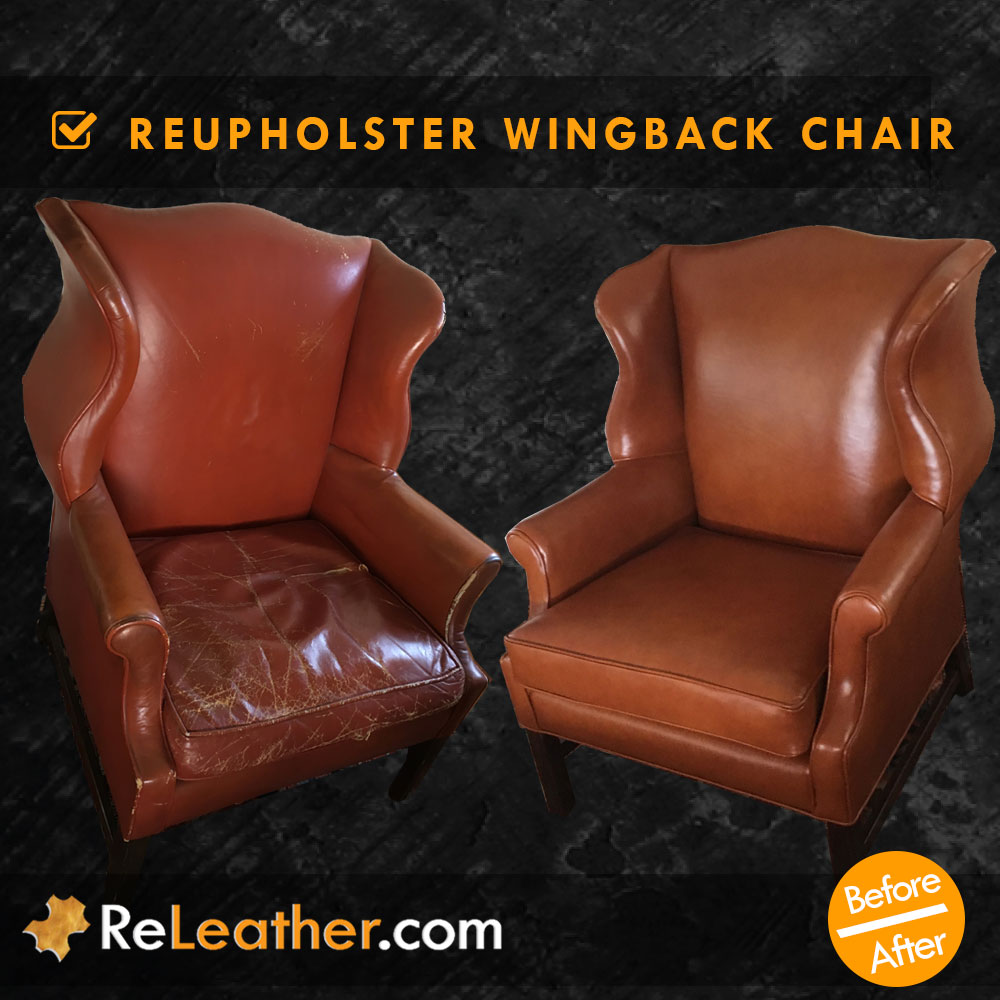
Image Source: www.releather.com
Is Reupholstering Your Leather Chair Worth It?
Before diving into the how to reupholster leather, let’s determine if it’s the right choice for you.
Assessing Your Leather Chair
The first step is a thorough assessment of your leather chair’s condition. Ask yourself these questions:
- Is the Frame Solid? Check for wobbles, cracks, or signs of damage. A weak frame isn’t worth reupholstering.
- How’s the Cushioning? Is it flat, lumpy, or disintegrating? Replacing cushions adds to the cost to reupholster leather chair.
- What About the Leather? Are there small cracks, or are there significant tears and fading? Minor issues can sometimes be repaired without full reupholstery.
- Is it Sentimental? Sometimes, the value isn’t just monetary. If the chair has sentimental value, reupholstering might be worthwhile regardless of cost.
- Is the Design Worth Saving? Is it a unique piece you love that you can’t replace easily?
When to Reupholster
Reupholstering is a good option if:
- The frame is in good condition.
- The chair has a unique style you can’t find elsewhere.
- The chair has sentimental value.
- Reupholstering is cheaper than buying a comparable new chair (get quotes first!).
When to Replace
Consider replacing your leather chair if:
- The frame is damaged beyond repair.
- The cost of reupholstering exceeds the price of a new chair of similar quality.
- You’re looking for a completely different style.
Figuring Out the Leather Chair Reupholstery Cost
The leather chair reupholstery cost is a significant factor in your decision. Prices can vary widely based on several elements.
Factors Affecting the Cost
- Chair Size and Complexity: Larger, more complex chairs with intricate designs will cost more to reupholster.
- Leather Type: The quality and type of leather significantly impact the price. Top-grain leather is more expensive than bonded leather.
- Labor Costs: Upholstery labor rates vary by region and the upholsterer’s experience.
- Cushion Replacement: Replacing cushions with new foam or padding adds to the overall cost.
- Frame Repairs: Any necessary frame repairs will increase the total.
- Fabric Choice: If you decide to go with a synthetic fabric or another material other than leather, the price can change dramatically.
Average Cost Ranges
- Simple Leather Chair: \$500 – \$1,500
- Leather Armchair: \$800 – \$2,500
- Large Leather Recliner: \$1,200 – \$4,000+
Table: Estimated Leather Chair Reupholstery Costs
| Chair Type | Estimated Cost Range | Notes |
|---|---|---|
| Simple Leather Chair | \$500 – \$1,500 | Basic design, minimal detailing. |
| Leather Armchair | \$800 – \$2,500 | Standard armchair size and complexity. |
| Large Leather Recliner | \$1,200 – \$4,000+ | Recliners have more moving parts and require more labor. |
| Chesterfield Chair | \$2,000 – \$5,000+ | Intricate designs with tufting. |
| Wingback Chair | \$1,500 – \$3,500 | Unique shape and detailing can increase labor costs. |
| Ottoman | \$300 – \$800 | A smaller piece that is often paired with a chair. |
Note: These are just estimates. Obtain quotes from multiple leather furniture reupholstery services for accurate pricing.
Getting Quotes
- Contact Multiple Upholsterers: Get at least three quotes to compare prices and services.
- Provide Clear Information: Give the upholsterer detailed information about your chair, including photos and dimensions.
- Ask About Leather Options: Discuss different leather types and their costs.
- Inquire About Additional Costs: Ask about potential additional costs for frame repairs or cushion replacement.
The DIY Approach: Leather Chair Reupholstering DIY
If you’re a confident DIYer, leather chair reupholstering DIY is possible, but it requires skill, patience, and the right tools.
Essential Tools and Materials
- New Leather: Purchase high-quality leather in the desired color and texture. Calculate the amount needed carefully.
- Upholstery Fabric: Optional. This can be used if you want to add patterned fabric to the chair.
- Upholstery Staples and Staple Gun: A heavy-duty staple gun is essential for securing the leather.
- Staple Remover: For removing old staples.
- Sewing Machine: A heavy-duty sewing machine capable of sewing leather is necessary.
- Upholstery Thread: Use strong, durable thread designed for upholstery.
- Scissors or Rotary Cutter: For cutting the leather.
- Pliers: For gripping and pulling fabric.
- Hammer: For tamping down staples.
- Measuring Tape: For accurate measurements.
- Pencil or Marker: For marking the leather.
- Seam Ripper: For carefully removing old fabric.
- New Cushioning Materials (Foam, Batting): If replacing cushions.
- Webbing and Webbing Stretcher: If replacing the webbing.
Step-by-Step Guide to Reupholstering
- Disassembly:
- Carefully remove the old leather, taking photos as you go to document how the chair was originally assembled.
- Remove all staples, tacks, and trim.
- Keep the old leather pieces as patterns for cutting the new leather.
- Frame Repair:
- Inspect the frame for any damage.
- Repair any loose joints or cracks.
- Reinforce the frame as needed.
- Webbing and Spring Repair (If Necessary):
- If the webbing is worn or damaged, replace it using a webbing stretcher.
- Inspect and repair the springs, if applicable.
- Cushion Replacement (If Necessary):
- Replace old, worn-out cushions with new foam or batting.
- Wrap the cushions in batting for a softer feel.
- Cutting the Leather:
- Lay the old leather pieces on top of the new leather.
- Trace the patterns onto the new leather, adding seam allowances.
- Cut out the leather pieces.
- Sewing the Leather:
- Sew the leather pieces together using a heavy-duty sewing machine.
- Use a straight stitch and ensure the seams are strong and secure.
- Upholstering:
- Starting from the inside, attach the new leather to the frame using the staple gun.
- Pull the leather taut and ensure it’s smooth and wrinkle-free.
- Work your way outwards, stapling the leather in place.
- Finishing Touches:
- Trim any excess leather.
- Add any decorative trim or buttons.
- Reassemble the chair.
Tips for a Successful DIY Project
- Take Your Time: Reupholstering is a time-consuming process. Don’t rush it.
- Work in a Well-Lit Area: Good lighting is essential for seeing what you’re doing.
- Practice Sewing Leather: Before working on the chair, practice sewing leather scraps to get a feel for the material.
- Use the Right Tools: Using the right tools will make the job easier and more efficient.
- Watch Videos and Read Tutorials: There are many helpful resources available online.
- Ask for Help: Don’t be afraid to ask for help from a friend or family member.
Potential Challenges
- Working with Leather: Leather can be difficult to sew and manipulate.
- Achieving a Professional Finish: Getting a smooth, wrinkle-free finish requires skill and experience.
- Time Commitment: Reupholstering can take several days or even weeks, depending on the complexity of the chair.
- Cost of Materials: High-quality leather and upholstery tools can be expensive.
Finding Professional Leather Furniture Reupholstery Services
If DIY leather chair reupholstering seems daunting, hiring professional leather furniture reupholstery services is a worthwhile investment.
How to Find a Reputable Upholsterer
- Ask for Recommendations: Ask friends, family, or neighbors for recommendations.
- Check Online Reviews: Read online reviews on sites like Yelp, Google, and Angie’s List.
- Look for Experience: Choose an upholsterer with experience working with leather furniture.
- Ask for a Portfolio: Review the upholsterer’s portfolio to see examples of their work.
- Check for Licensing and Insurance: Ensure the upholsterer is licensed and insured.
Questions to Ask Potential Upholsterers
- How long have you been in business?
- Do you have experience working with leather furniture?
- Can I see examples of your work?
- What type of leather do you recommend for my chair?
- What is the estimated cost of the project?
- What is the estimated turnaround time?
- Do you offer a warranty on your work?
- Are you licensed and insured?
What to Expect From the Upholstery Process
- Consultation: The upholsterer will assess your chair and discuss your options.
- Quote: You’ll receive a detailed quote outlining the cost of the project.
- Leather Selection: You’ll choose the leather you want to use.
- Reupholstering: The upholsterer will disassemble the chair, repair the frame, replace the cushions, and reupholster it with the new leather.
- Delivery: The finished chair will be delivered to your home.
Preserving and Maintaining Your Reupholstered Leather Chair
Proper care will extend the life of your leather armchair and keep it looking its best.
Cleaning Tips
- Dust Regularly: Dust your leather chair weekly with a soft cloth.
- Vacuum Regularly: Vacuum the chair with a soft brush attachment to remove dirt and debris.
- Clean Spills Immediately: Blot up spills immediately with a clean, dry cloth.
- Use a Leather Cleaner: Use a leather cleaner specifically designed for your type of leather. Follow the manufacturer’s instructions carefully.
- Avoid Harsh Chemicals: Do not use harsh chemicals, solvents, or abrasive cleaners on your leather chair.
Conditioning Tips
- Condition Regularly: Condition your leather chair every 6-12 months to keep it supple and prevent cracking.
- Use a Leather Conditioner: Use a leather conditioner specifically designed for your type of leather. Follow the manufacturer’s instructions carefully.
- Test in an Inconspicuous Area: Before applying conditioner to the entire chair, test it in an inconspicuous area to ensure it doesn’t discolor the leather.
Protection Tips
- Protect from Sunlight: Avoid placing your leather chair in direct sunlight, which can fade the leather.
- Protect from Heat: Keep your leather chair away from heat sources, such as radiators and fireplaces.
- Avoid Sharp Objects: Be careful not to scratch or puncture the leather with sharp objects.
Fixing Worn Leather Chair Without Reupholstering
In some cases, you don’t need to reupholster. If your leather chair has minor damage, like scratches or fading, repairing worn leather chair might be the best option.
Minor Leather Chair Restoration
- Leather Repair Kits: Many leather repair kits are available for fixing scratches, scuffs, and small tears.
- Leather Conditioners: Regular conditioning can restore moisture and prevent cracking.
- Leather Dyes: Leather dyes can be used to restore faded color.
- Professional Leather Repair: Consider hiring a professional leather repair technician for more significant damage.
FAQs: Your Leather Reupholstery Questions Answered
-
How long does it take to reupholster a leather chair?
- It depends on the complexity of the chair and the upholsterer’s workload. It can range from a few days to several weeks.
-
Is it cheaper to reupholster or buy new?
- It depends. Get quotes for reupholstering and compare them to the cost of a new chair of similar quality.
-
What type of leather is best for reupholstering?
- Top-grain leather is a good choice for its durability and appearance.
-
Can I reupholster a leather chair myself?
- Yes, but it requires skill, patience, and the right tools.
-
How do I clean a leather chair?
- Dust regularly, vacuum with a soft brush attachment, and clean spills immediately with a clean, dry cloth.
-
How often should I condition my leather chair?
- Every 6-12 months.
-
Can I change the style of my leather chair when reupholstering?
- Yes, you can change the style by altering the shape of the cushions or adding new details.
-
What if the frame of my chair is damaged?
- The frame must be repaired before reupholstering. If the damage is extensive, reupholstering may not be cost-effective.
-
Where can I buy leather for reupholstering?
- You can purchase leather from upholstery supply stores, fabric stores, or online retailers.
-
What are common signs that my leather chair needs reupholstering?
- Cracked or torn leather, worn-out cushions, a wobbly frame, and faded color are all signs that your leather chair may need reupholstering.

Hello, I’m Muzammil Siddiqui, the mind behind ChairsFly.com.. With a deep passion for chairs and a wealth of expertise, I created this platform to share my insights, experiences, and knowledge about everything chair-related. From ergonomic solutions to stylish designs, my goal is to guide you in finding the perfect seat for your needs. Let’s embark on this journey of comfort and elegance together!