How much to rent a barber chair? The answer varies greatly depending on location, amenities, demand, and the type of rental agreement. Renting a barber chair offers a way for barbers to operate independently without the significant overhead costs of owning a shop. This guide breaks down all you need to know about barber chair rental cost, maximizing profit, and minimizing risks.
Image Source: images.squarespace-cdn.com
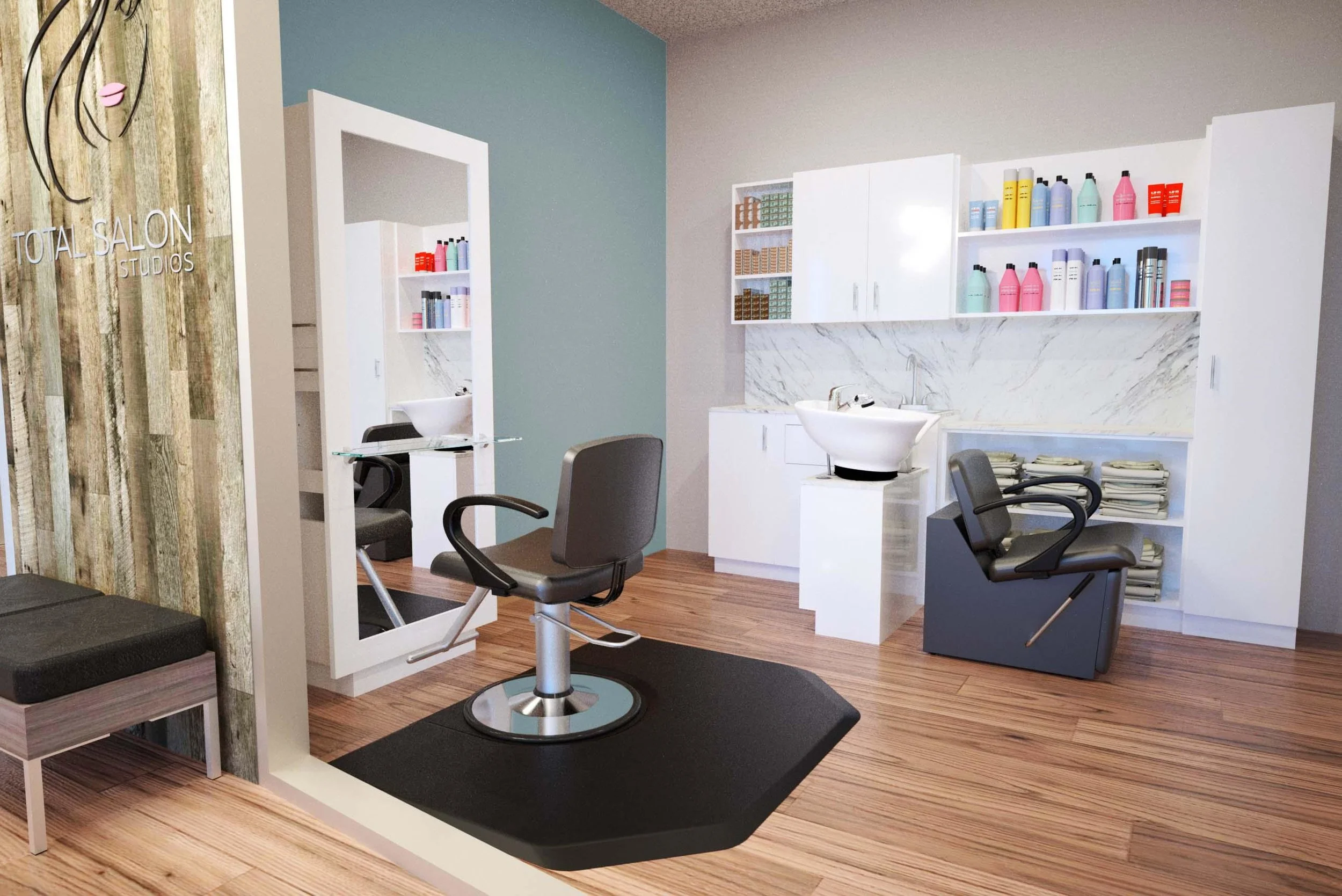
Unpacking Barber Chair Rental Rates
Barber station rental rates can differ drastically depending on several factors. Let’s dive into the core elements that influence the price you’ll pay.
Location Matters: Urban vs. Rural
The adage “location, location, location” holds true. In bustling urban centers, expect to pay more than in quieter rural areas. High-traffic areas, especially those with a strong demand for barbering services, command higher prices. The barber shop booth rent in prime locations reflects the potential for higher earnings due to increased foot traffic and visibility.
Amenities and Inclusions: What’s in the Package?
The barber chair leasing prices are also affected by the amenities included. Does the rental include:
- Utilities: Electricity, water, and gas.
- Towels and Linens: Are these provided and laundered?
- Product Usage: Can you use shop-provided products, or are you required to supply your own?
- Receptionist Services: Someone to answer phones and book appointments.
- Cleaning Services: Regular cleaning of the station and common areas.
- Marketing and Advertising: Inclusion in the shop’s marketing efforts.
- Wi-Fi: Access to the internet for scheduling and client communication.
A barber station rental that includes many of these amenities will typically cost more than a bare-bones rental.
Demand and Competition: Knowing Your Market
The local market demand for barbering services and the level of competition among barbershops will influence rental rates. Areas with high demand and limited chair availability will naturally command higher prices.
Type of Rental Agreement: Choosing What Works Best
Renting a barber chair cost can be structured in several ways. Each structure has its own advantages and disadvantages:
- Fixed Rent: A set amount paid weekly or monthly.
- Pros: Predictable expenses, easier budgeting.
- Cons: You pay the same amount regardless of your income.
- Commission-Based Rent: A percentage of your earnings goes to the shop owner.
- Pros: Lower initial cost, rent adjusts to your income.
- Cons: Shop owner has insight into your earnings, less financial control.
- Hybrid Rent: A combination of fixed rent and commission.
- Pros: Balances predictability with income sensitivity.
- Cons: Can be more complex to calculate and track.
- Daily Barber Chair Rental: Pay for only the days you utilize the chair.
- Pros: Suitable for part-time barbers or those with flexible schedules.
- Cons: Might be less cost-effective for full-time barbers.
The weekly barber chair rent will be higher for a fixed-rent agreement in a high-demand location.
Sample Pricing Structure
Here’s a table illustrating potential barber chair rental prices based on location and rental type. This is for illustrative purposes only and should not be considered definitive financial advice.
| Location | Rental Type | Estimated Price |
|---|---|---|
| Urban City Center | Fixed Weekly Rent | $300 – $600 |
| Urban City Center | Commission-Based | 30% – 50% of sales |
| Suburban Area | Fixed Weekly Rent | $200 – $400 |
| Suburban Area | Commission-Based | 25% – 40% of sales |
| Rural Area | Fixed Weekly Rent | $100 – $250 |
| Rural Area | Commission-Based | 20% – 35% of sales |
| Urban – Daily Rental | Daily Rental | $50 – $100 |
Scrutinizing the Barber Chair Rental Agreement
A carefully constructed barber chair rental agreement is essential for protecting both the barber and the shop owner.
Essential Elements of a Solid Agreement
A comprehensive agreement should include the following:
- Parties Involved: Clearly identify the barber and the shop owner.
- Rental Term: The start and end dates of the agreement, as well as renewal options.
- Rental Fee: The amount of rent, payment schedule, and acceptable payment methods.
- Services Included: A detailed list of amenities and services provided by the shop.
- Responsibilities: Outline the responsibilities of both parties, including cleaning, maintenance, and client management.
- Insurance: Specify insurance requirements and liability coverage.
- Termination Clause: Conditions under which the agreement can be terminated, and the notice period required.
- Dispute Resolution: A process for resolving disagreements.
- Governing Law: The jurisdiction whose laws will govern the agreement.
Avoiding Common Pitfalls
- Vague Language: Ensure all terms are clear and unambiguous.
- Lack of Detail: Provide specific details about responsibilities and services.
- Ignoring Insurance: Always have adequate liability insurance.
- Forgetting Termination Clauses: Include clear termination terms.
- No Dispute Resolution Process: Establish a method for resolving conflicts.
Consulting with a legal professional is highly recommended to review and finalize your barber chair rental agreement.
Maximizing Profit: Strategies for Success
Renting a barber chair is just the first step. Increasing profitability requires a strategic approach.
Building Your Clientele
- Marketing: Promote your services through social media, local advertising, and word-of-mouth.
- Networking: Connect with other barbers, stylists, and local businesses.
- Referral Programs: Reward clients who refer new customers.
- Online Presence: Create a professional website or online portfolio.
- Exceptional Service: Provide consistently high-quality haircuts and customer service.
Optimizing Pricing and Services
- Competitive Pricing: Research local barber shop chair rental fees and adjust your prices accordingly.
- Value-Added Services: Offer extras like beard trims, hot towel shaves, or scalp massages.
- Product Sales: Sell grooming products to clients to increase revenue.
- Package Deals: Create bundled services for added value.
- Upselling: Suggest additional services or products to clients.
Efficient Operations
- Appointment Scheduling: Use online scheduling tools to manage appointments efficiently.
- Inventory Management: Keep track of your supplies and minimize waste.
- Time Management: Optimize your workflow to maximize the number of clients you can serve.
- Financial Tracking: Monitor your income and expenses closely to identify areas for improvement.
Minimizing Risk: Protecting Your Business
Renting a barber chair involves certain risks. Taking proactive steps can help mitigate those risks.
Insurance Coverage
- Liability Insurance: Protects you from claims of injury or property damage.
- Professional Liability Insurance (Malpractice): Covers claims of negligence or errors in your services.
- Business Property Insurance: Covers your equipment and supplies in case of theft or damage.
Compliance with Regulations
- Licensing: Ensure you have all necessary barbering licenses and permits.
- Health and Safety: Follow all health and safety regulations to maintain a clean and safe workspace.
- Tax Compliance: Accurately report your income and pay all required taxes.
Protecting Your Reputation
- Professional Conduct: Maintain a professional demeanor at all times.
- Customer Service: Address client complaints promptly and professionally.
- Online Reviews: Monitor your online reputation and respond to reviews.
Deciphering the Average Barber Chair Rental
It’s tough to pinpoint a single “average barber chair rental.” The average barber chair rental shifts due to varying locations and other considerations. However, understanding the general trends can help you negotiate and make informed decisions.
General Price Ranges
- National Average: $200 – $500 per week for fixed rent. Commission-based rentals typically range from 25% to 50% of your earnings.
- Factors Affecting the Average: Location, amenities, demand, and competition all significantly affect the average.
Strategies for Negotiation
- Research: Gather information on comparable rental rates in your area.
- Highlight Your Value: Emphasize your skills, experience, and existing client base.
- Negotiate Amenities: If the rent is high, try to negotiate additional amenities or services.
- Consider Alternatives: Explore different rental options to find the best deal.
Fathoming Different Rental Models
Different barber shop owners use different rental models. Each model impacts how you operate and your potential profits.
The “Traditional” Rental
This involves paying a flat, agreed-upon amount for the usage of a chair and possibly some communal facilities.
- Focus: Allows you to focus entirely on your services without worrying about administrative overhead.
- Considerations: Can be less flexible during off-peak seasons or if you’re building a client base.
The “Partnership” Rental
This model blurs the lines between renting and being a member of a team.
- Focus: Benefits from shop-led marketing, training, or product deals.
- Considerations: You may have to adhere to a particular brand identity or use specific products.
The “Entrepreneurial” Rental
This setup offers a barebones chair, and you’re responsible for almost everything.
- Focus: Maximum independence and control over branding, products, and operations.
- Considerations: Requires a higher level of self-direction, and you bear all the risks yourself.
Frequently Asked Questions (FAQ)
What is the typical length of a barber chair rental agreement?
The typical length is usually 6 months to 1 year, with options for renewal.
Can I negotiate the rent?
Yes, you can often negotiate the rent, especially if you bring a strong client base or can offer unique services.
Who is responsible for cleaning the barber station?
This should be clearly stated in the rental agreement. Usually, the barber is responsible for cleaning their station after each client, while the shop owner handles common area cleaning.
What happens if I break something in the barber shop?
The rental agreement should outline the procedure for handling damages. You may be responsible for covering the repair costs, depending on the circumstances.
Can I bring my own equipment and products?
This depends on the agreement. Some shops allow you to bring your own, while others require you to use shop-provided products.
Thinking about snagging a barber chair for the day? It’s a brilliant move for barbers looking to flex their skills part-time or craft a schedule that suits them, all without being locked into lengthy leases.
What happens if the shop closes down before my agreement ends?
The rental agreement should address this scenario. You may be entitled to a refund of any prepaid rent.
What are some hidden costs I should be aware of?
Be aware of costs like parking, additional product fees, or charges for using specific equipment.
By carefully considering these factors, you can navigate the process of renting a barber chair successfully, maximize your profit potential, and minimize your risks.

Hello, I’m Muzammil Siddiqui, the mind behind ChairsFly.com.. With a deep passion for chairs and a wealth of expertise, I created this platform to share my insights, experiences, and knowledge about everything chair-related. From ergonomic solutions to stylish designs, my goal is to guide you in finding the perfect seat for your needs. Let’s embark on this journey of comfort and elegance together!