Are you wondering how to make lawn chair cushions? This guide will walk you through the process of creating your own comfortable and stylish DIY lawn chair cushions. We’ll cover everything from selecting the best fabrics for outdoor cushions to the actual outdoor cushion sewing tutorial, so you can give your patio furniture cushion replacement a personal touch.
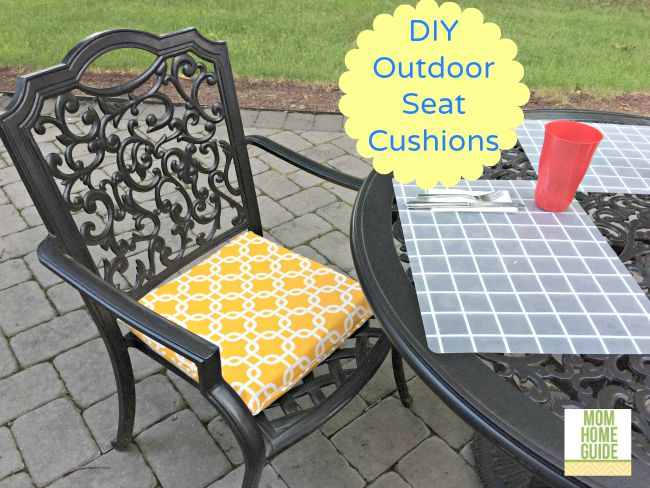
Image Source: www.curlycraftymom.com
Why Make Your Own Lawn Chair Cushions?
Buying new outdoor cushions can be expensive. Plus, store-bought cushions might not always fit your chairs perfectly or match your outdoor style. Making your own cushions gives you control over the size, shape, fabric, and style. You can create making custom chair cushions that are perfectly suited to your needs.
Here are some benefits of creating your own cushions:
- Save Money: DIY cushions are generally cheaper than buying them.
- Customization: Choose your favorite fabrics, patterns, and sizes.
- Perfect Fit: Make cushions that perfectly fit your specific chairs.
- Personal Style: Match your cushions to your existing outdoor decor.
- Satisfaction: Enjoy the rewarding feeling of creating something yourself.
Planning Your DIY Lawn Chair Cushions
Before you start sewing, some planning is key. This includes measuring your chairs, selecting your materials, and choosing a design.
Measuring Your Lawn Chairs
Accurate measurements are crucial for creating well-fitting cushions. Follow these steps:
- Seat Width: Measure the width of the chair seat from side to side.
- Seat Depth: Measure the depth of the chair seat from front to back.
- Back Height: Measure the height of the chair back from the seat to the top.
- Thickness: Decide how thick you want your cushions to be. This will determine the amount of foam or filling you need.
Record these measurements. You’ll use them to create your homemade cushion patterns and cut your fabric and foam.
Selecting the Right Materials
Choosing the right materials is important for creating durable and comfortable cushions.
Best Fabrics for Outdoor Cushions
The fabric you choose should be durable, water-resistant, and fade-resistant. Here are some good options:
- Outdoor Canvas: This is a popular choice because it’s durable, water-resistant, and comes in many colors and patterns.
- Duck Cloth: Similar to canvas, duck cloth is a tightly woven cotton fabric that’s very durable. It can be treated with a water-repellent finish.
- Solution-Dyed Acrylic: This fabric is specifically designed for outdoor use. It’s fade-resistant, water-resistant, and mildew-resistant. Sunbrella is a well-known brand of solution-dyed acrylic.
- Polyester Outdoor Fabric: Another synthetic option, polyester is water-resistant, durable, and easy to clean.
When picking your fabric, also consider the look and feel. Do you want a bright, bold print or a subtle, neutral tone?
Lawn Chair Cushion Foam
Foam provides the cushion’s shape and support. Choose a foam that’s designed for outdoor use.
- Dryfast Foam: This type of foam is designed to allow water to drain through it quickly, preventing mold and mildew growth. It’s a great option for cushions that will be exposed to rain.
- Closed-Cell Foam: This foam is waterproof, but it doesn’t breathe well. It’s best for cushions that will be used in a covered area.
- Polyurethane Foam: This foam is less expensive, but it’s not as durable as dryfast or closed-cell foam. It’s best for cushions that will be used indoors or in a covered area.
Consider the thickness of the foam. Thicker foam will provide more support and comfort.
Cushion Filling Materials
If you prefer a softer, more relaxed cushion, you can use filling materials instead of foam.
- Polyester Fiberfill: This is a common filling material for cushions. It’s soft, lightweight, and easy to work with.
- Shredded Foam: Shredded foam provides good support and can be molded to fit the shape of the cushion.
- Kapok: This natural fiber is lightweight, water-resistant, and hypoallergenic. It’s a good option for those with allergies.
Other Essential Supplies
- Thread: Use a strong, outdoor-rated thread that won’t break down in the sun.
- Zipper: A zipper will allow you to remove the cushion cover for cleaning.
- Sewing Machine: A sewing machine will make the sewing process much easier and faster.
- Scissors: Use sharp scissors to cut your fabric.
- Measuring Tape: Essential for accurate measurements.
- Pins: Use pins to hold the fabric together while you sew.
- Marking Pencil or Chalk: Use a marking pencil or chalk to trace your pattern onto the fabric.
- Ruler or Yardstick: Helps with drawing straight lines.
Designing Your Cushions
Think about the style of cushions you want. Will they be simple rectangular cushions, or will they have rounded edges or tufting? Do you want ties to secure them to the chairs? Sketch out your design and make note of any special features. Remember, choosing a simple design will make the sewing process easier, especially if you are a beginner.
Creating Your Homemade Cushion Patterns
Once you have your measurements and design, you can create your pattern.
- Paper Pattern: Use large pieces of paper (like newspaper or butcher paper) to create your pattern.
- Basic Shape: Draw the basic shape of your cushion on the paper, using your measurements. For example, if you’re making a rectangular seat cushion, draw a rectangle that matches the width and depth of the chair seat.
- Seam Allowance: Add a seam allowance of about 1/2 inch to all sides of the pattern. This will allow you to sew the fabric together without making the cushion too small.
- Special Features: If your cushion has rounded edges or other special features, add them to the pattern.
- Back Cushion: If you’re making a back cushion, repeat the process using the back height and width measurements.
Adjusting for Thickness
If you’re using thick foam, you may need to adjust your pattern to account for the thickness. Add extra fabric to the sides of the cushion to create a box-like shape. This will ensure that the cushion fits properly around the foam.
Making a Box Cushion
To create a box cushion, you’ll need to add a side panel to your pattern.
- Measure Thickness: Measure the thickness of your foam.
- Side Panel: Cut a strip of fabric that is the same length as the perimeter of your cushion and the same width as the thickness of your foam plus 1 inch (for seam allowance).
- Sew Side Panel: Sew the side panel to the top and bottom pieces of the cushion, creating a box-like shape.
Outdoor Cushion Sewing Tutorial: Step-by-Step
Now that you have your pattern and materials, you can start sewing. Here’s a detailed outdoor cushion sewing tutorial:
- Cut the Fabric: Lay your fabric on a flat surface and place your pattern on top. Use pins to secure the pattern to the fabric. Cut out the fabric, following the pattern. Cut out all the pieces you need, including the top, bottom, and side panels (if applicable).
- Cut the Foam: Place your pattern on top of the foam and cut it out. You can use a sharp knife or an electric carving knife to cut the foam.
- Sew the Zipper: If you’re using a zipper, sew it to the back edge of the cushion cover. This will allow you to remove the cover for cleaning.
- Sew the Sides: If you’re making a box cushion, sew the side panels to the top and bottom pieces of the cushion, right sides together. Use a 1/2 inch seam allowance.
- Sew the Cushion Together: If you’re not using side panels, sew the top and bottom pieces of the cushion together, right sides together, leaving a small opening for turning.
- Turn Right Side Out: Turn the cushion cover right side out.
- Insert Foam or Filling: Insert the foam or filling into the cushion cover.
- Close the Opening: Sew the opening closed by hand or machine.
- Add Ties (Optional): If you want to secure the cushion to the chair, add ties to the corners of the cushion. Cut four strips of fabric and sew them to the corners of the cushion.
Tips for Sew Outdoor Cushions Waterproof
While no cushion can be 100% waterproof, here are some tips to enhance water resistance:
- Use Outdoor Fabric: As mentioned earlier, outdoor fabrics are designed to repel water.
- Apply Water Repellent: You can apply a water repellent spray to your cushions to make them even more water-resistant.
- Use Waterproof Lining: Consider adding a layer of waterproof fabric inside the cushion cover to protect the foam or filling.
- Store Cushions Indoors: When not in use, store your cushions indoors to protect them from the elements.
Weather Resistant Cushion DIY: Finishing Touches
Once your cushions are sewn, there are a few finishing touches you can add to make them even better.
Adding Buttons or Tufting
Adding buttons or tufting can give your cushions a more finished look.
- Mark Button Placement: Mark the spots where you want to add buttons.
- Sew Buttons: Use a long needle and strong thread to sew the buttons through the cushion.
- Create Tufting: Pull the thread tight to create a tufted effect.
Adding Piping or Trim
Piping or trim can add a decorative touch to your cushions.
- Choose Piping or Trim: Select piping or trim that matches your fabric.
- Sew to Edges: Sew the piping or trim to the edges of the cushion, right sides together.
Making Custom Chair Cushions: Different Shapes and Sizes
Don’t limit yourself to simple rectangles. You can adapt these instructions to create cushions in various shapes and sizes.
- Round Cushions: Use a compass to draw a circle on your pattern paper.
- Wedge-Shaped Cushions: Measure the angles of your chair and create a wedge-shaped pattern.
- Odd-Shaped Cushions: Trace the shape of your chair onto pattern paper and create a custom pattern.
Maintaining Your DIY Lawn Chair Cushions
To keep your cushions looking their best, it’s important to clean and maintain them regularly.
Cleaning Your Cushions
- Spot Clean: Spot clean spills and stains as soon as they happen with a mild soap and water solution.
- Hand Wash: For deeper cleaning, hand wash your cushions with a mild soap and water solution. Rinse thoroughly and air dry.
- Machine Wash: Some cushion covers can be machine washed. Check the fabric care instructions before washing.
Storing Your Cushions
When not in use, store your cushions in a dry, covered area to protect them from the elements. This will help them last longer.
Frequently Asked Questions (FAQ)
-
What is the best fabric for outdoor cushions?
- The best fabrics for outdoor cushions are durable, water-resistant, and fade-resistant. Popular choices include outdoor canvas, duck cloth, solution-dyed acrylic (like Sunbrella), and polyester outdoor fabric.
-
Can I use regular foam for outdoor cushions?
- It’s not recommended. Regular foam can absorb water and promote mold and mildew growth. It’s best to use dryfast foam or closed-cell foam, which are specifically designed for outdoor use.
-
Who is Sunbrella?
- Sunbrella is a well-known brand of solution-dyed acrylic fabric. It’s a popular choice for outdoor cushions because it’s fade-resistant, water-resistant, and mildew-resistant.
-
How do I make my outdoor cushions waterproof?
- While you can’t make them completely waterproof, use outdoor fabric, apply water repellent spray, and consider a waterproof lining. Also, store cushions indoors when not in use.
-
What cushion filling materials can I use?
- Polyester fiberfill, shredded foam, and kapok are all good choices for filling materials.
-
What kind of thread should I use?
- Use a strong, outdoor-rated thread that won’t break down in the sun.
-
How do I prevent mold and mildew on my cushions?
- Use dryfast foam or closed-cell foam, clean your cushions regularly, and store them in a dry, covered area.
-
Are homemade cushion patterns better than store-bought patterns?
- Homemade patterns allow for a custom fit. Store-bought patterns can be convenient, but may require adjustments.
-
Can I make cushions without a sewing machine?
- Yes, you can sew cushions by hand, but it will take much longer. A sewing machine will make the process much easier and faster.
-
What is the lifespan of DIY lawn chair cushions?
- The lifespan depends on the quality of materials and how well they are maintained. With proper care, they can last for several seasons.
Transform your outdoor oasis with a weekend project: crafting your own weather-beaten beauties for your lawn chairs. This guide unlocks the secrets to creating cushions that are not only sumptuously comfortable and effortlessly chic but also built to withstand the elements, breathing new life into your patio for seasons of enjoyment. Get ready to sink into your brand-new, custom-made lawn chair cushions!

Hello, I’m Muzammil Siddiqui, the mind behind ChairsFly.com.. With a deep passion for chairs and a wealth of expertise, I created this platform to share my insights, experiences, and knowledge about everything chair-related. From ergonomic solutions to stylish designs, my goal is to guide you in finding the perfect seat for your needs. Let’s embark on this journey of comfort and elegance together!